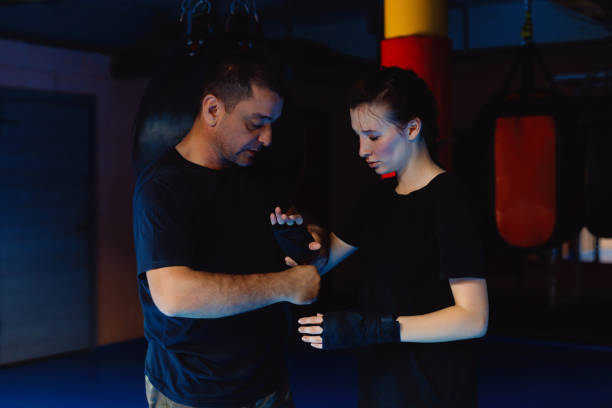
How Self-Defense Training Supports Personal Safety And Confidence
Do you want to feel more aware, steadier, and more sure of yourself in daily life?
Many people simply ask this. They want to walk, travel, work, and live with a calm mind. This is one reason self-defense training feels useful in real life. It is not only about learning body movement.
It also helps a person build alertness, better posture, clear thinking, and inner confidence. With regular practice, people often start to feel more prepared in common situations.
They also begin to trust their own actions more. That change can support both personal safety and self-confidence in a very natural way.
How Training Builds A Strong Base
Self-defense training starts with simple lessons that are easy to follow. A person learns how to stand in a balanced way, how to stay aware of the area around them, and how to react with control. These lessons may look basic at first, but they help a lot in normal life.
Better Awareness In Daily Life
One of the first things people learn is awareness. This means paying attention to surroundings in a calm and smart way. A person may start noticing exits, safe walking paths, lighting, and the movement of people nearby. This habit can support personal safety in a very practical way.
Awareness also helps during travel, at work, in public places, and even during evening walks. A person who pays attention usually feels more settled. This habit does not make life stressful. In fact, it can make a person feel more present and clear-minded.
Body Control And Quick Response
Training also teaches body control. This includes balance, movement, coordination, and timing. These skills help a person react in a steadier way. When the body becomes active and trained, even simple movement starts feeling smoother.
This is where Self Defense Training becomes helpful in a realistic way. It teaches useful actions step by step. Over time, people often feel more connected with their body. They know how to move, where to place their hands, and how to stay balanced. This sense of control can bring a calm kind of confidence.
A Better Sense Of Personal Space
Another good part of training is learning about personal space. Many people do not think much about this in daily life, but it matters. Training helps a person understand distance, posture, and how to hold themselves with confidence.
When someone learns to carry themselves well, it often changes how they feel inside, too. Standing upright, making clear movement, and staying aware can support a stronger mindset. This can make daily interactions feel easier and more comfortable.
How Confidence Grows With Practice
Confidence usually does not come in one day. It grows little by little. Training supports this growth because it gives a person regular practice, small wins, and clear progress. After every session, a person may feel a bit more sure than before.
Learning By Doing
Many people feel more confident when they practice with their own body instead of only reading or hearing advice. In training, actions are repeated in a simple format. Because of that, the body remembers. A person starts trusting what they have learned.
This kind of learning is useful because it feels real. A student can see progress in posture, focus, and movement. That progress builds self-belief. It is not loud confidence. It is a quiet feeling that says, “I can handle myself well.”
Calm Thinking Under Pressure
Confidence is not only about physical action. It is also about staying calm and thinking clearly. Training often includes drills that support focus and control. This helps a person stay steady when they need to make a quick choice.
In daily life, this calm thinking can help in many ways. It can support better communication, smarter decisions, and a more balanced reaction. A person who feels centered usually carries that feeling into work, study, travel, and family life too.
Respect For Yourself And Others
Good training also supports self-respect. A person learns discipline, patience, and steady practice. These values shape confidence healthily. At the same time, many classes also teach respect for others, good communication, and calm control.
This is one reason Violence Prevention Training can fit naturally into the bigger picture of personal safety. It supports smart thinking, respectful action, and safer habits in day-to-day life. These lessons can help people feel more prepared while still keeping a balanced and calm approach.
How Training Helps In Daily Life
The useful part of self-defense training is that it can support many small moments in normal life. It is not limited to one place or one age group. People can carry these lessons into different parts of their routine.
More Confidence In Public Spaces
Many people feel better in public spaces after training for some time. Walking alone, using transport, joining events, or moving through crowded areas can feel easier. This happens because training improves both mental focus and physical readiness.
The person may not even notice the change at first. It shows up in simple ways, like better posture, clearer eye contact, and a calm pace while walking. These small things can shape how a person feels throughout the day.
Support For Fitness And Mental Freshness
Training also adds a healthy physical side. It keeps the body active and supports stamina, flexibility, and coordination. At the same time, regular practice can refresh the mind. Many people enjoy the routine because it helps them feel active and clear.
When the body feels active, the mind often feels lighter too. This mix of movement and focus can improve mood and daily energy. That is why many people see self-defense training as more than a skill class. It becomes part of a healthy routine.
A Positive Habit With Long-Term Value
One good thing about training is that it keeps giving value over time. The more a person practices, the more natural the lessons feel. Small improvements add up. A person may start with basic steps and later notice bigger changes in confidence, awareness, and overall mindset.
This long-term value makes training meaningful. It supports a person in simple, useful, and realistic ways. The lessons stay practical, and the confidence feels earned.
Final Thoughts
Self-defense training supports personal safety and confidence by helping people become more aware, more balanced, and more sure of themselves. It teaches useful movement, calm thinking, and better body control. It also brings a steady kind of confidence that can support daily life in many ways.
From public spaces to personal routine, the benefits can be felt little by little. In a simple human way, training helps a person feel more ready, more comfortable, and more at ease in their own skin.